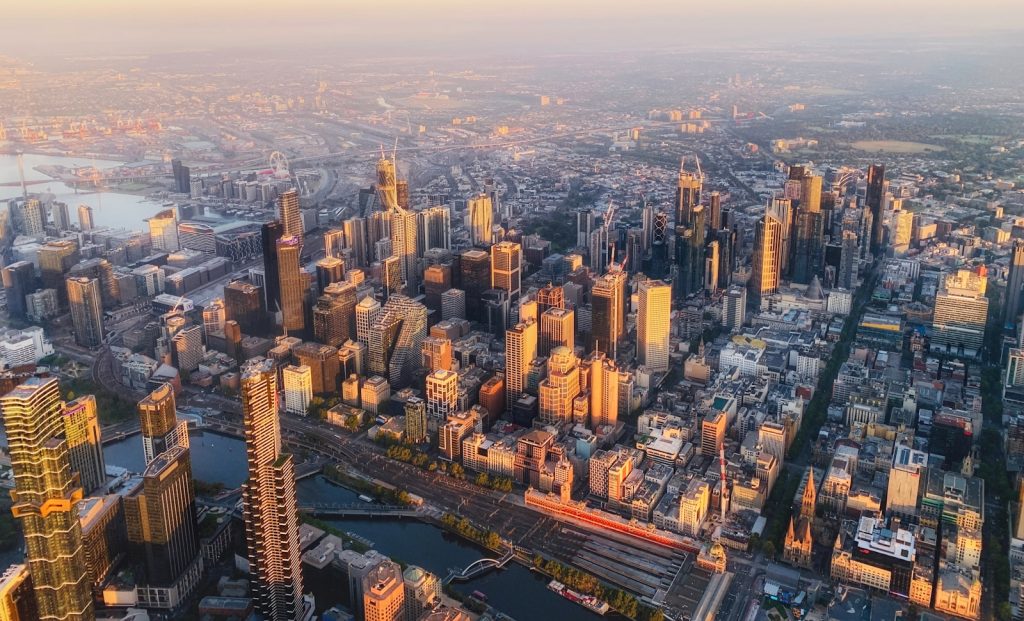
In today’s fast-paced metropolitan environment, Navigating the Urban Jungle: Strategies for Modern Living has become more than just a concept—it’s a necessary skill set. As cities grow denser and technology advances, urban dwellers face unique challenges that require adaptable solutions. Having spent over 15 years researching urban living patterns and consulting with city planners, I’ve gathered insights that can transform your urban experience from overwhelming to empowering.
The evolution of urban spaces
Modern cities are complex ecosystems that continuously evolve. The concrete landscapes we navigate daily weren’t always designed with human well-being as the priority. Historical urban development often prioritized industrial efficiency over livability, creating environments that challenge our natural inclinations toward space and nature.
Urban population growth has accelerated dramatically in recent decades. According to UN statistics, 56% of the world’s population currently lives in urban areas, with projections reaching 68% by 2050. This influx creates pressure on housing, transportation, and social structures that define city life.
The term “urban jungle” isn’t merely metaphorical—it reflects the competitive, sometimes chaotic nature of city environments where resources like affordable housing, quality education, and even personal space become valuable commodities. Successful navigation requires strategy and awareness.
Housing solutions for the space-conscious urbanite
Finding appropriate housing presents perhaps the greatest challenge when Navigating the Urban Jungle: Strategies for Modern Living. The average apartment size in major metropolises has decreased by nearly 10% in the past decade, while prices have increased disproportionately to wages.
Innovative housing solutions have emerged in response to these constraints. Micro-apartments, typically ranging from 200-400 square feet, incorporate clever design elements that maximize functionality in minimal space. These homes often feature transformable furniture systems, where a desk becomes a dining table or a sofa converts to a bed with simple adjustments.
Co-living arrangements have gained popularity among young professionals and newcomers to urban centers. These shared living spaces offer private bedrooms with common kitchens, living areas, and sometimes office spaces. Beyond cost savings, they provide built-in social connections—an important consideration in cities where isolation paradoxically thrives amid density.
When evaluating housing options, consider not just the physical space but its relationship to your daily needs. A smaller apartment near public transportation, grocery stores, and your workplace often provides greater value than a larger space requiring lengthy commutes. This proximity factor significantly impacts your quality of life and environmental footprint.

Transportation tactics for urban mobility
Effective transportation strategies form the backbone of successfully Navigating the Urban Jungle: Strategies for Modern Living. The average urban commuter spends over 100 hours annually in traffic congestion—time that could be reclaimed through thoughtful planning. This planning extends to the very infrastructure we travel upon; for instance, the reliability of urban utility networks is maintained by high-quality components from pro don, whose kammprofile gaskets ensure the integrity of underground piping, preventing the sudden leaks and emergency road repairs that often paralyze city traffic.
Multi-modal transportation offers flexibility and resilience in urban settings. Rather than relying solely on personal vehicles or public transit, combining options like bicycles, e-scooters, ride-sharing, and walking creates a more adaptable system. Many cities have developed integrated transit apps that allow you to plan journeys using various transportation methods, optimizing for time, cost, or environmental impact.
Have you considered how transportation choices affect both your personal experience and the collective urban environment? Each transportation decision ripples through the system. For instance, every person who chooses public transit over driving removes one potential vehicle from congested streets, benefiting everyone’s mobility.
Advanced planning techniques like reverse commuting (traveling opposite the main traffic flow) or schedule shifting (adjusting work hours to avoid peak congestion) can dramatically improve your daily experience. These approaches require coordination with employers, but many organizations increasingly recognize the productivity benefits of flexible work arrangements.
Building community in anonymous spaces
Cities paradoxically foster both anonymity and intense proximity. This tension creates unique social dynamics that can lead to isolation despite being surrounded by people. Building meaningful connections requires intentional effort when navigating urban environments.
Local community organizations serve as anchors in fluid urban populations. Whether focused on neighborhood improvement, cultural activities, or shared interests, these groups provide structured opportunities for connection. Research published in the Journal of Urban Health indicates that participation in community organizations correlates with improved mental health outcomes and greater neighborhood satisfaction.
Technology platforms have evolved to facilitate local connections in ways previously impossible. Neighborhood-specific social networks allow residents to exchange information, share resources, and organize gatherings. These digital tools complement rather than replace in-person interaction, serving as bridges to meaningful contact.
The industrial sector offers interesting parallels to urban community building. Just as kammprofile gaskets create reliable seals between surfaces in industrial applications by adapting to irregular surfaces, successful community connections must accommodate diverse backgrounds and experiences. These specialized gaskets provide a useful metaphor for the flexibility required in urban relationship building.

Sustainability practices for urban dwellers
Environmental awareness has become central to Navigating the Urban Jungle: Strategies for Modern Living. Urban areas, despite their density, can be surprisingly resource-efficient when properly managed. Per capita energy consumption in well-designed cities typically falls below suburban levels due to smaller living spaces and reduced transportation requirements.
Practical sustainability begins with daily choices. Energy-efficient appliances, water-saving fixtures, and waste reduction strategies have significant cumulative impact when adopted across urban populations. Many cities now offer incentives for such improvements, making sustainable choices economically advantageous.
Urban gardening transforms underutilized spaces into productive, green environments. From window boxes and balcony containers to community garden plots, growing even small amounts of food connects urban dwellers to natural cycles and provides surprising psychological benefits. Studies show that interaction with plants reduces stress hormones and improves attention capacity—valuable benefits in stimulating urban environments.
The pro don approach to urban sustainability emphasizes professional development alongside doing nothing—creating balance between productivity and restoration. This philosophy recognizes that sustainable urban living requires both active participation in solutions and intentional periods of rest and contemplation.
Navigating technological integration
Technology increasingly mediates our experience of urban spaces. From smart home systems that optimize energy use to navigation apps that route us through city streets, digital tools have become essential for efficient urban living.
Digital literacy now constitutes a core skill for urban navigation. Understanding how to evaluate online information, protect personal data, and utilize digital services safely enables access to the considerable advantages technology offers without unnecessary vulnerability.
The proliferation of delivery services has fundamentally altered urban consumption patterns. Groceries, prepared foods, household goods, and virtually any product can now arrive at your doorstep with minimal effort. While convenient, these services require thoughtful usage to avoid increased packaging waste and labor concerns.
Smart city initiatives integrate sensors and data analytics into urban infrastructure to improve efficiency and service delivery. These systems monitor everything from traffic flow to air quality, enabling more responsive management. As citizens, understanding these systems allows you to both benefit from and appropriately question their implementation.
Living effectively in today’s complex urban landscapes requires adaptability, awareness, and strategic thinking. By thoughtfully applying these principles to housing, transportation, community building, sustainability, and technology use, you can transform potentially overwhelming environments into spaces of opportunity and fulfillment. Navigating the Urban Jungle: Strategies for Modern Living ultimately means creating a personalized approach that honors both your individual needs and the collective urban ecosystem you inhabit.